
My house is full of connected devices. What it's missing is the layer between them.
Gemini agent aims to be the layer that carries context across work tools. Why that in between layer, with spend caps and admin controls, is the real product.
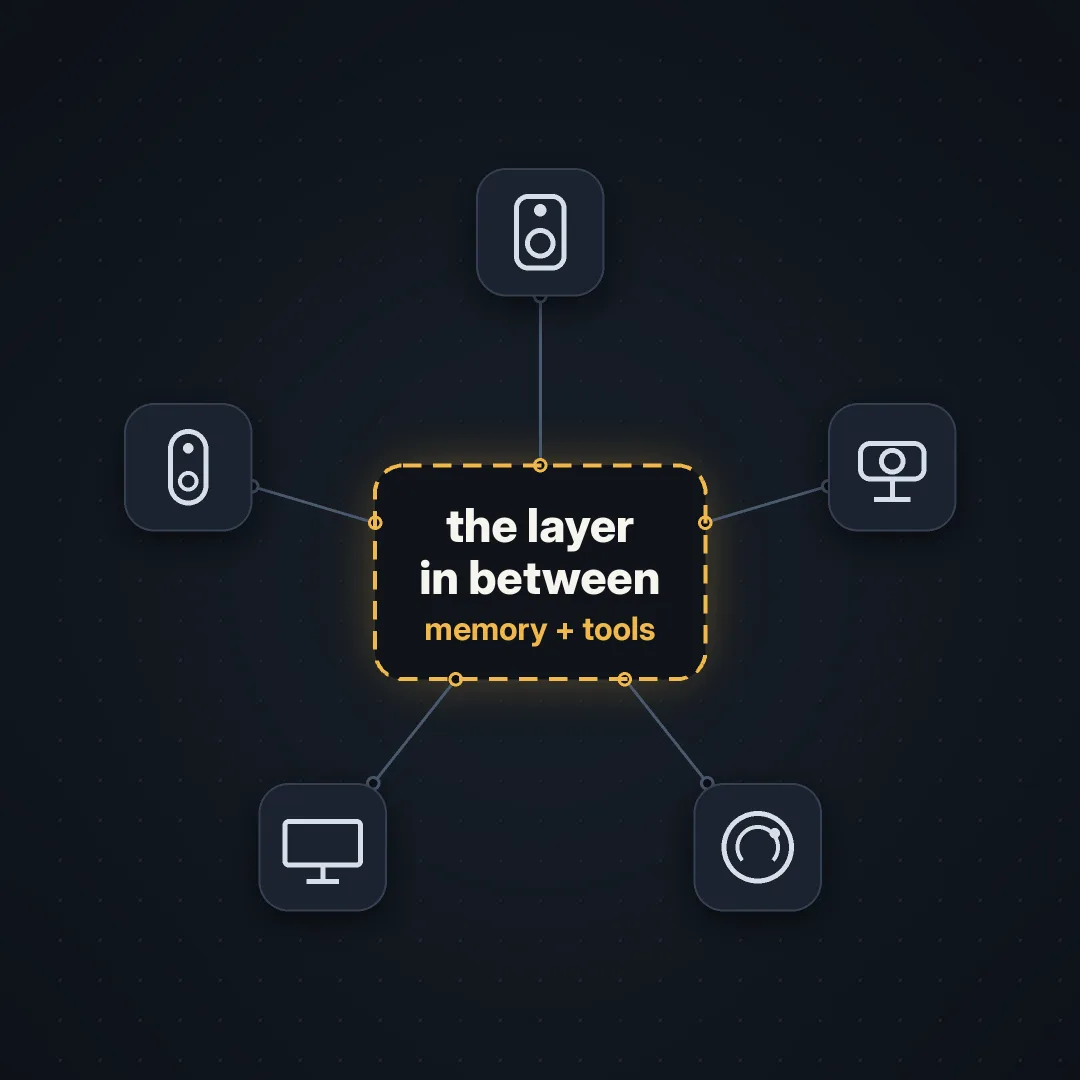
Google Cloud just announced Gemini agent, which it calls a universal agent for work. It's in private preview, with early access for small and midsize businesses and wider availability promised soon. It's meant to carry context across the tools a company already uses, like Salesforce, Shopify, Slack and Notion, inside admin controls.
This is where it gets interesting.
It isn't locked to one model. It routes between Gemini and Anthropic's Claude, and admins can set spend caps per project that pause an agent when it hits the limit. That's the unglamorous stuff that makes an agent safe to leave running.
For a team, the practical win is simple. Fewer re-explanations. You stop pasting the same background into every chat, because the agent is meant to have the account history and the project notes, within whatever access you've allowed.
I see the same gap at home. We've gone all in on Google: Nest doorbells and cameras, a Nest thermostat, three speakers, a home base, Google TV and Chromecast. Every device is connected. But there's no memory or tool access sitting across them, so the assistant can't act on what it knows or carry context from one request to the next. "Google, stop Roomba" fires reliably. Anything that needs the whole house to work as one system is still out of reach.
That's the lesson for builders. Devices and models aren't the hard part anymore. Persistent context and tool access are.
Build the layer in between.